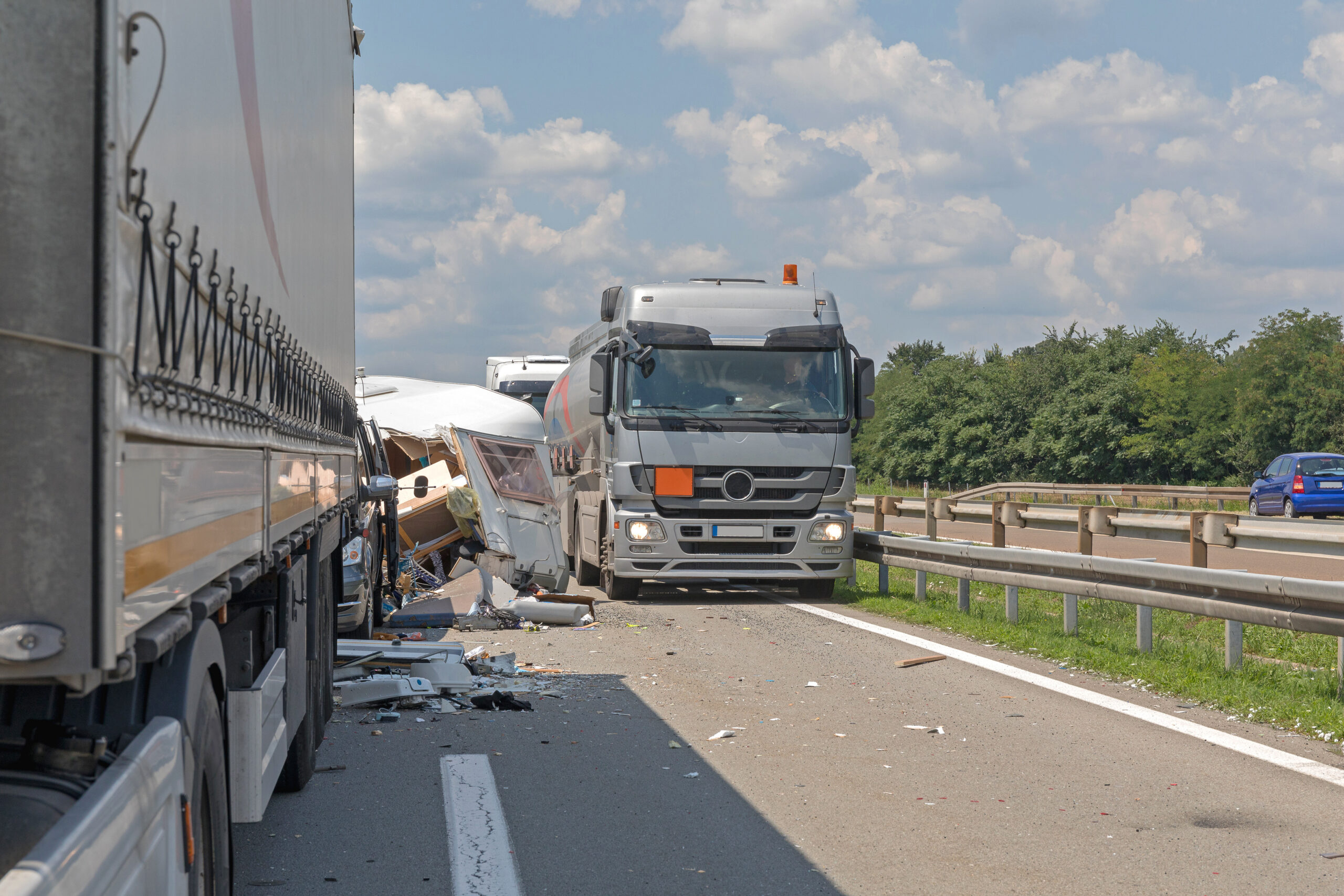
A truck accident can be catastrophic, leading to severe injuries, extensive medical bills, and significant disruption to a victim’s life. Understanding the scope of compensation available under New Jersey law is crucial for victims seeking justice and financial recovery from the liable parties after a truck accident. Continue reading for more information and consult with a knowledgeable Sussex County truck accident lawyer today.
What Compensation Can Truck Accident Victims Recover in NJ?
Truck accident victims in New Jersey may be entitled to a variety of compensation, commonly referred to as “damages,” to cover the losses often associated with these severe incidents. The main categories of damages are economic and non-economic.
Economic damages are quantifiable monetary losses. These typically include coverage for all past and future medical expenses related to the accident, such as hospital stays, surgeries, rehabilitation, medication, and ongoing therapy. Lost wages, both current and future, resulting from the inability to work due to injuries, are also recoverable. Additionally, victims can seek compensation for property damage, typically the cost to repair or replace their vehicle.
Non-economic damages address subjective, non-monetary losses that significantly impact the victim’s quality of life. The most common type is compensation for pain and suffering, which covers physical discomfort and emotional distress. Other examples include compensation for loss of consortium, meaning loss of companionship, affection, and help from a spouse or partner, and permanent disability or disfigurement.
In rare cases involving extreme negligence or willful misconduct, New Jersey courts may also award punitive damages. These are not intended to compensate the victim but rather to punish the liable party and deter similar behavior in the future. Securing maximum compensation often requires detailed documentation and experienced legal representation.
Who Can Be Held Liable in an NJ Truck Accident Case?
In a New Jersey truck accident case, determining liability is often complex because multiple parties can share fault for the collision. The most immediately relevant party is typically the truck driver, who may be held liable for negligence such as distracted driving, speeding, fatigue, or violating traffic laws.
However, liability can also extend to the trucking company or carrier. If the driver is an employee, the company can be held vicariously liable for the driver’s negligence under the principle of respondeat superior. The company may also be independently liable for its own negligence, such as failing to properly maintain the truck, pressuring drivers to violate Hours-of-Service regulations, or failing to conduct adequate background checks or training.
Other potentially liable parties include:
- The truck’s owner, if they are different from the driver or carrier
- Manufacturers of defective truck parts
- Maintenance or inspection companies, if their work contributed to a malfunction
- Shippers or loaders of cargo, if the accident resulted from an improperly loaded or secured trailer
- Other drivers involved in the collision, if their negligence contributed to the crash
- Government entities responsible for road design or maintenance, if a defect like a missing sign or poorly maintained road surface was a factor
Work with a skilled attorney for help identifying every potentially liable party and pursuing compensation.