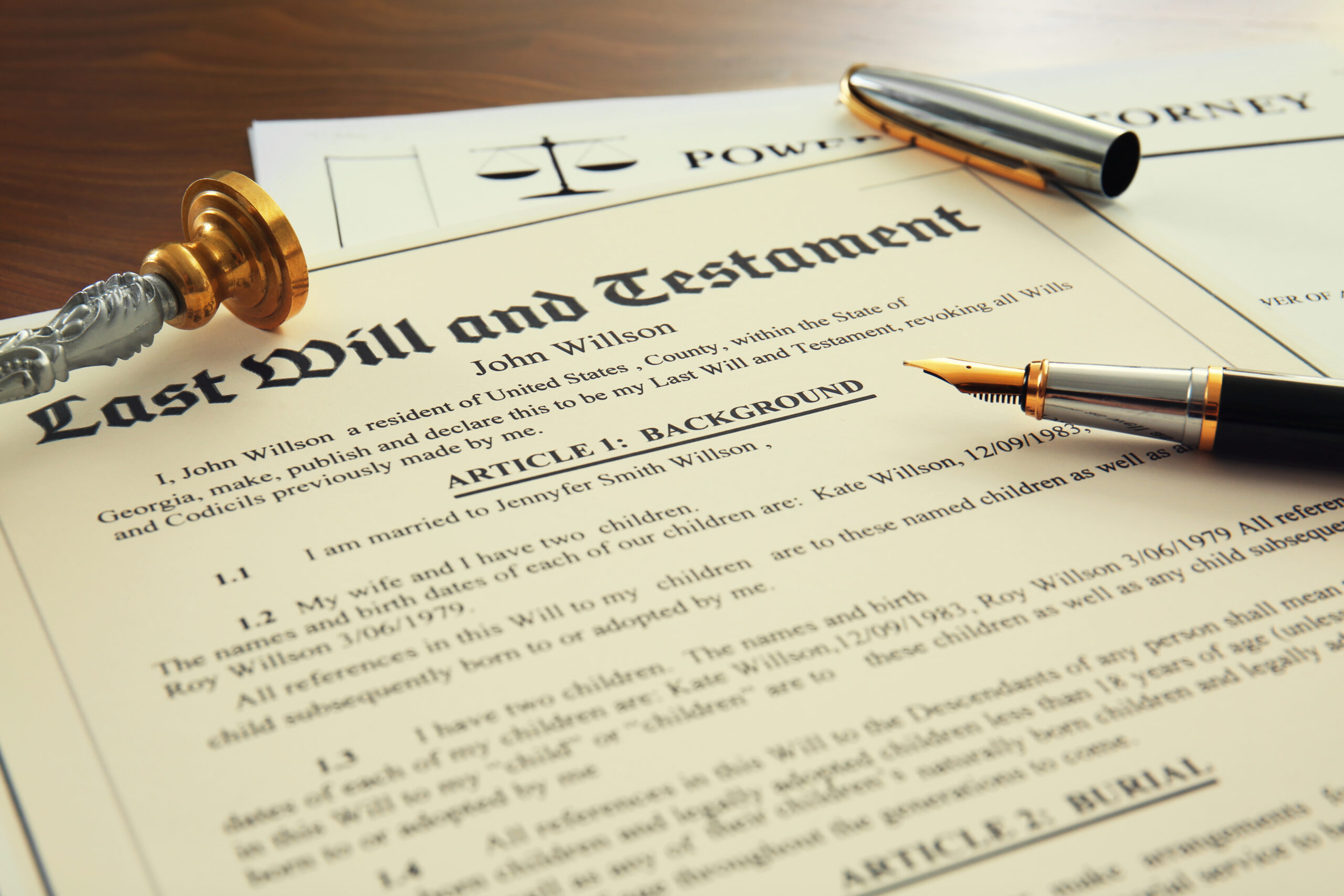
When planning for the future, many people wonder whether they need a will, a power of attorney, or both. While these legal documents are often discussed in the same context, they serve different purposes. Understanding the difference between a will and a power of attorney can help you protect your assets, family, and wishes. Continue reading for more information and consult with a knowledgeable estate lawyer today.
What is a Will?
A will, formally known as a Last Will and Testament, is a legal document used to manage your affairs after your death. It is a written declaration outlining how your property and assets should be distributed to your beneficiaries.
One main function of a will is to name an executor, the person legally responsible for carrying out the instructions in the document, settling debts, and distributing the assets. For individuals with minor children, a will can be used to name a guardian who will assume legal custody of the children if both parents are deceased. Without a valid will, a state’s intestacy laws determine how your assets are distributed, which may not align with your personal wishes. A properly executed will ensures your estate and family are protected.
What is a Power of Attorney?
A power of attorney (POA) is a legal document that grants one person, known as the agent or attorney-in-fact, the authority to act on behalf of another person, called the principal. The purpose of a POA is to allow the agent to manage the principal’s affairs while they are alive, but may be unable to manage them personally. This often becomes important in cases of physical or mental incapacity, but it can also be used for convenience, such as managing real estate or financial transactions from a distance.
POAs can be specific, granting authority for a single transaction, or broad, covering all financial or healthcare decisions. A durable power of attorney remains effective even if the principal becomes incapacitated, which can be important to prepare for unforeseen circumstances. It allows for continuous decision-making regarding property, investments, or medical decisions, ensuring the principal’s needs are met.
What is the Difference Between a Will and a Power of Attorney?
The main difference between a will and a power of attorney lies in when the document is effective. A will takes effect only after the person who created it, known as the testator, has passed away, acting as instructions that guide the probate process and distribution of the estate. It has no legal power during the testator’s lifetime.
A power of attorney, on the other hand, is active during the principal’s life. Its authority terminates upon the principal’s death. It provides a way to manage affairs while the principal is alive but unable or unwilling to act for themselves. Essentially, a will deals with the afterlife, and a POA manages life’s incapacities or needs for proxy representation. Both are crucial components of a comprehensive estate plan, but they address different periods in time.