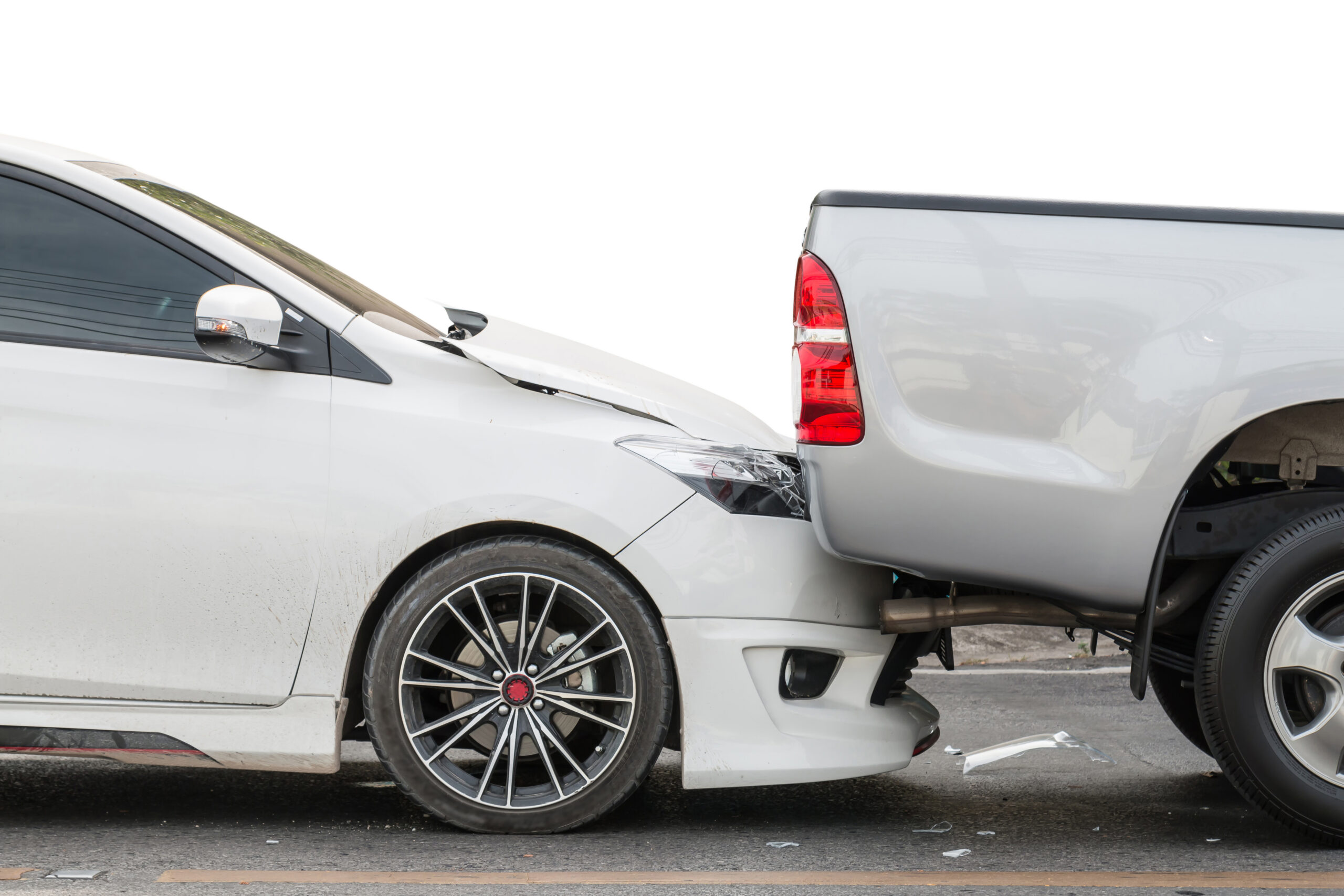
Rear-end accidents are some of the most common types of collisions in New Jersey, and many people assume that the driver who hits the other from behind is automatically at fault. However, liability is a complex issue, and determining who is responsible for a collision is rarely straightforward. If you were involved in a rear-end crash and are wondering if the driver in the back is always at fault, continue reading here for more information. Work with an experienced Sussex County car accident lawyer for skilled legal advice when filing a claim.
What is a Rear-End Accident?
A rear-end accident is a type of collision where the front of one vehicle strikes the rear of the vehicle directly in front of it. These collisions typically occur when one driver fails to slow down or stop in time to avoid the vehicle ahead.
Common scenarios include a driver following too closely (tailgating) or failing to react quickly enough to changing traffic conditions, such as the lead vehicle slowing down or stopping suddenly. Distracted driving, poor visibility, or slick road conditions can significantly reduce a driver’s reaction time and stopping distance, making it impossible to prevent the collision. Essentially, any situation where the trailing vehicle closes the distance to the leading vehicle faster than it can safely brake results in a rear-end crash.
Is the Driver in the Back Always At Fault in a Rear-End Crash in NJ?
No, the driver in the back is not always at fault in a rear-end crash in New Jersey. However, they are often presumed to be liable. This presumption is a result of the general rule that every driver has a duty to maintain a safe following distance and be observant of the vehicle ahead.
New Jersey traffic laws require drivers to keep enough distance between their vehicle and the car in front to allow for a safe stop, regardless of the speed or road conditions. Therefore, if a collision occurs, it is often the case that the trailing driver violated this duty by tailgating or driving while distracted. However, this initial presumption can often be overcome.
While the following driver is often considered responsible, liability in New Jersey is determined by negligence. There are specific circumstances where the lead driver, or even a third party, may share responsibility or be entirely at fault. The rear driver is not automatically liable simply because they were the one who struck the vehicle ahead.
When is the Front Driver At-Fault?
The front driver may be held partially or entirely liable if their actions directly caused the rear-end collision. This includes scenarios where the front driver reverses suddenly and unexpectedly into the vehicle behind them, drives with broken brake or signal lights, or pulls over suddenly into a lane of travel without warning. Illegally stopping or making an unsafe lane change can also demonstrate the front driver’s negligence and contribution to the crash.
In some cases, a third party, like a municipality failing to fix a dangerous road condition or a mechanic who improperly repaired the rear vehicle’s brakes, may be negligent. Determining fault in a rear-end crash requires an investigation of all contributing factors. Reach out to a skilled attorney for more information today.