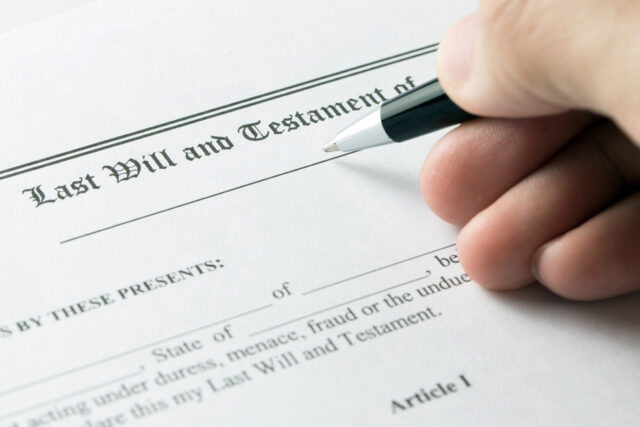
When it comes to planning for the future and making sure your assets are handled as you desire, estate planning is crucial. While many people believe that an estate plan and a will are one and the same, it is important to understand that while both have vital uses, they are not the same thing. For more information on the difference between estate planning and wills, contact an experienced Sussex County estate lawyer today.
What Does “Estate” Mean Under New Jersey Law?
When lawyers talk about your “estate,” we don’t just mean a mansion on a hill or sprawling farmland. Your estate is simply everything you own—your home, bank accounts, retirement savings, life insurance, personal belongings, and even digital assets—minus what you owe. Importantly, it is called your “estate” both while you are alive and after your death. Estate planning is about deciding how those assets are managed during your lifetime and how they are passed on after your death, ensuring that your wishes are carried out and your loved ones are protected. In New Jersey, some estates may be subject to probate administration through the Surrogate’s Court.
What Is Included in Your Estate?
- Real estate, including your primary home, vacation properties, and investment properties
- Bank accounts and investment accounts
- Retirement accounts (IRAs, 401(k)s, 403(b)s)
- Life insurance proceeds, depending on beneficiary designation
- Online accounts and digital assets
- Personal property (jewelry, furniture, vehicles)
- Debts owed to you
- Business interests
What Is a Will?
A will is a legal document that outlines how an individual’s assets should be distributed after their death. The document names an executor who is responsible for carrying out the instructions left in the will according to the deceased’s wishes. In a will, there should be clear directions explaining who is entitled to certain assets, whether it be money, property, or other items. In New Jersey, a will must meet important statutory requirements to ensure it is legally valid and enforceable. Under N.J.S.A 3B:3-2, a will must be in writing, signed by the testator (creator), and witnessed by at least two competent witnesses, unless it is recognized as a holographic will.
What a Will Does
- Names beneficiaries to receive property and assets
- Appoints an executor to administer the estate
- Names guardians for minor children
- Provides instructions to pay debts and taxes
- Establishing distribution wishes for property after outstanding expenses are handled
Limitations of a Will
- Only takes effect upon death
- Generally proceeds through probate
- Does not control jointly owned assets
- Becomes part of the public record during probate
- Does not override beneficiary designations on retirement or insurance accounts
- Does not provide protection in the event of incapacitation
What Is an Estate Plan?
An estate plan is an approach to managing an individual’s assets and affairs both while they are alive and after they pass away. Estate planning is the process of arranging for the management of an individual’s estate. The purpose of an estate plan is not only to distribute assets after the individual’s death but also to ensure financial security if they become incapacitated.
Documents Commonly Included in a New Jersey Estate Plan
- Last will and testament
- Revocable living trust
- Durable power of attorney
- Advanced healthcare directive
- HIPAA authorization
- Beneficiary designations
- Guardianship nominations
Is an Estate Plan the Same as a Will?
No, an estate plan is not the same as a will. A will only matters or takes effect upon the person’s passing, while an estate plan is broader and includes tools designed to manage affairs in the event of incapacitation. Although a will is important and can be beneficial in dealing with an estate, it has certain limitations.
Key Differences Between a Will and an Estate Plan
- A will is only effective after death, while an estate plan can take action during your lifetime
- A will typically requires probate, while properly structured trusts can avoid this process
- A will does not provide protection if incapacitation occurs, while powers of attorney and a healthcare directive do
- A will distributes assets outright, while a trust offers structured and conditional distribution
- A will becomes public record, while trust administration generally remains private
Does an Estate Plan Avoid Probate in New Jersey?
Probate is a legal process where a court verifies that a will is valid and oversees the distribution of assets. The process can take months or even years, and is handled through the Surrogate’s Court in the county where the decedent resided.
When Is Probate Required?
- Assets are titled solely in the name of the decedent
- There are no beneficiary designations
- There is no trust to control assets
- The estate exceeds the small estate threshold
How Long Does Probate Take in New Jersey?
While probate in New Jersey is often a simpler process compared to other states, the process can still be tedious, taking up to several months. However, the exact time will depend on the complexity of the estate, as well as the following factors:
- Disputes among beneficiaries
- Creditors filing claims
- Tax issues
- Real estate that must be sold
- The will is contested
How Estate Planning Can Reduce Probate Exposure
- Funding a revocable living trust
- Holding property jointly with survivorship rights
- Utilizing payable-on-death designations
- Naming retirement account beneficiaries
Why Many New Jersey Families Benefit From Both a Will and an Estate Plan
For most individuals, especially those who own property or have minor children, establishing a will is imperative. Unfortunately, however, it can leave gaps in planning and management. As such, establishing a comprehensive estate plan can provide important peace of mind that your wishes will be honored.
Situations Where a Full Estate Plan Is Especially Important
- You own real estate in New Jersey
- You have minor children
- You have a blended family
- You are a business owner
- You have considerable retirement savings
- You want to control asset distribution
- You wish to minimize court involvement
Contact an Experienced New Jersey Estate Planning Attorney
As you can see, estate planning is an incredibly important process for those in New Jersey, as it ensures you can not only provide for your loved ones after your death, but it can also help ensure that your wishes are honored in the event you are incapacitated. However, establishing an estate plan can be overwhelming, which is why working with an experienced attorney with Laddey Clark & Ryan is in your best interest. Our firm understands how difficult this process can be, which is why we are ready to help you explore your options. Contact us today to learn how we can assist you.