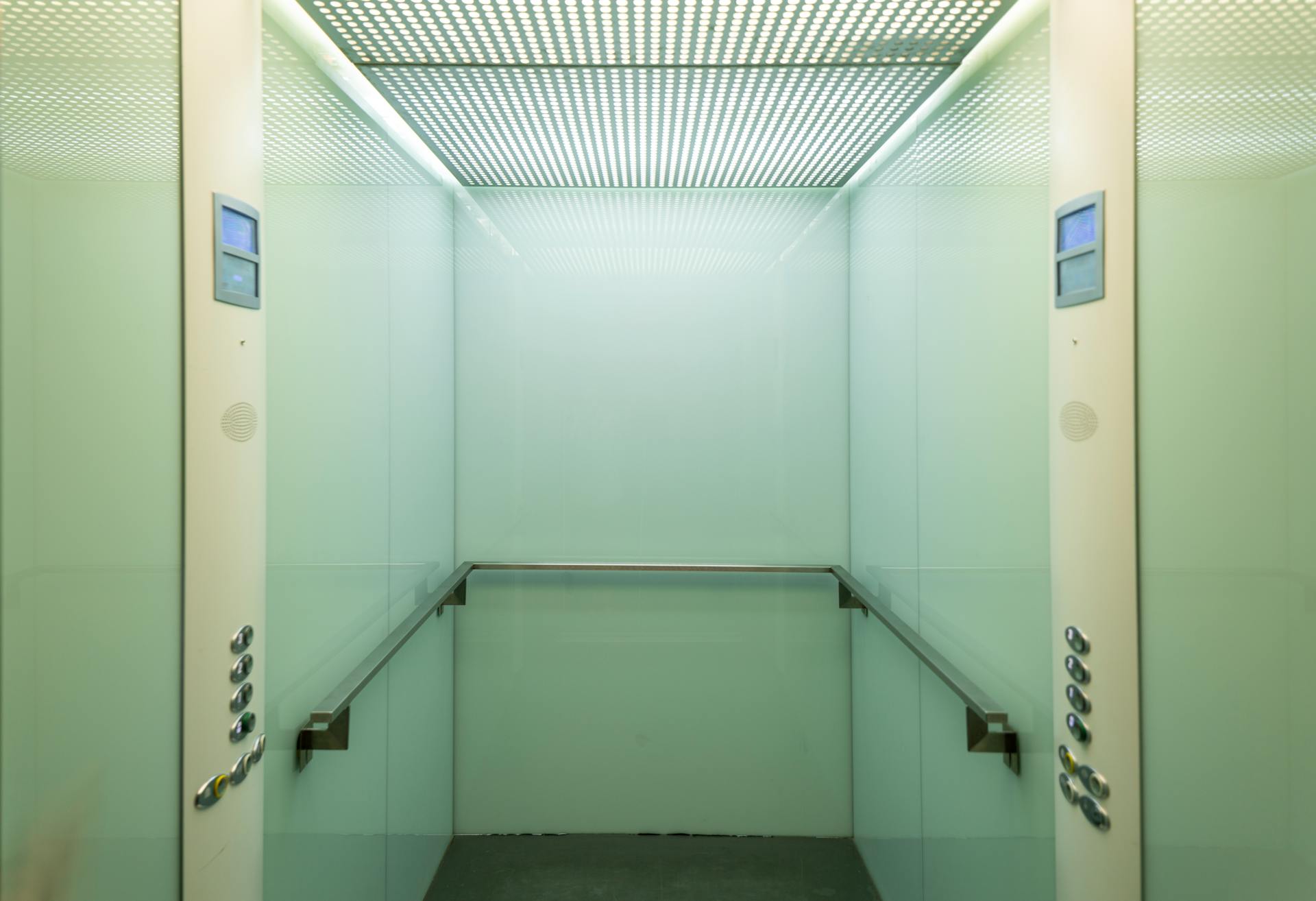
Elevator malfunctions, such as sudden drops or abrupt stops, can cause serious injury. When an elevator accident occurs in New Jersey, victims often have the right to seek compensation through a personal injury lawsuit. Understanding the legal grounds for liability is the first step toward recovery. Reach out to a skilled New Jersey lawyer for more information today.
Can I Sue if an Elevator Suddenly Drops or Malfunctions in NJ?
The answer is yes, depending on the circumstances, you can sue if you are injured due to an elevator suddenly dropping or malfunctioning in New Jersey. These types of incidents typically fall under premises liability or product liability law, depending on the cause of the failure. To successfully sue, you must prove that the injury resulted from a party’s negligence.
Who Can Be Held Liable for an Elevator Accident?
Potential defendants in an elevator accident include the property owner, the property manager, the elevator maintenance company, or even the manufacturer of the elevator or its components. Consider the following:
- Negligence (premises liability): The property owner or manager has a duty to maintain the property, including elevators, in a reasonably safe condition. If they failed to conduct required inspections or ignored known maintenance issues that led to the malfunction, they may be liable.
- Negligence (maintenance company): If a third-party company was contracted to maintain the elevator, they can be held liable if their failure to properly inspect, repair, or service the unit caused the incident.
- Product liability: If the malfunction was due to a defect in the elevator’s design or manufacturing, the manufacturer could be held liable.
Depending on the specifics of the situation and who caused the damage, any of these parties can be held liable for an elevator accident.
How Can I Prove Negligence and Recover Compensation?
Gathering evidence is crucial for establishing who was at fault and securing compensation for your injuries, medical bills, and other losses. A successful negligence claim in an elevator accident requires proving four elements: duty, breach, causation, and damages.
First, you must show that the defendant owed a duty of care to you, such as the duty to maintain the elevator safely. Second, you must prove that they breached that duty, such as by failing to perform scheduled maintenance or ignoring warning signs. Evidence of this breach often includes maintenance logs, inspection reports, repair invoices, and internal communication records.
Next, you must establish causation, meaning the defendant’s breach directly led to the elevator malfunction and your resulting injuries. Expert testimony from elevator mechanics or engineers is often necessary here to pinpoint the exact cause of the failure. Finally, you must prove the actual losses you sustained, documented through medical records, bills, lost wage statements, and pain and suffering testimony. Consulting with a personal injury attorney early on is essential to properly collect and present this complex evidence.