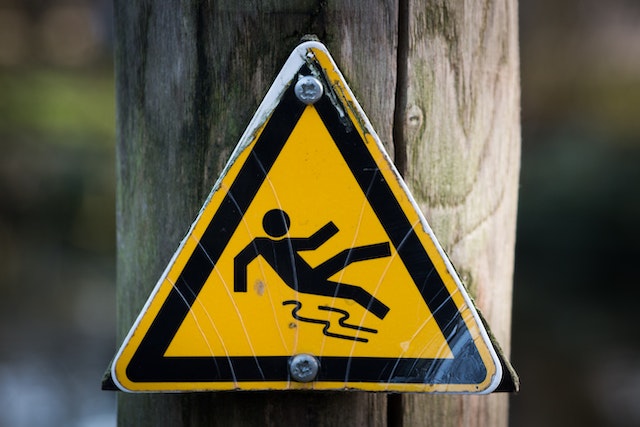
Falling on a broken staircase can lead to serious injuries and damage. If you slipped, tripped, or fell because a property owner’s negligence led to broken stairs, you may be wondering about your legal rights and whether you can sue for compensation. Personal injury law can be complex, so it is highly recommended that you secure the help of a skilled personal injury attorney after your accident. Continue reading and work with a Sussex County slip & fall lawyer for experienced legal advice and representation.
What is Premises Liability Law?
Premises liability refers to the legal duty property owners have to keep their premises safe for visitors. This concept holds property owners or occupiers responsible for injuries sustained on their property as a result of unsafe conditions or negligence.
Per premises liability laws, property owners owe visitors a duty of care to provide a reasonably safe environment. This holds them to a standard of frequently inspecting the property for potential dangers, performing regular maintenance to fix issues and ensure proper functioning of the premises, taking prompt action to resolve problems, and putting up signs or warning guests about hazards that cannot be fixed right away, among other things.
Can I Sue if I Fell on Broken Stairs in NJ?
If you fell due to broken stairs, you may be able to sue for compensation. However, it is important to determine who is liable for your accident. If a property owner’s negligence contributed to your fall, you can hold the homeowner, business owner, or whoever is occupying the space responsible for your damages.
In order to establish the owner’s negligence, you must be able to prove that they were aware of the hazard, or reasonably should have been aware, but failed to take action to rectify the issue or warn you to be careful. If the owner contributed to your accident, you can file a premises liability claim or lawsuit against them.
When taking legal action, it is crucial that you have ample evidence supporting your case. Important evidence may include:
- Photos and videos from the scene of the accident
- Incident reports
- Medical records
- Witness testimony
These pieces of evidence will help you demonstrate the four elements of negligence, which include that the property owner owed you a duty of care, that they breached the duty of care by failing to keep the premises safe, that their breach of duty caused your accident and injury, and that you suffered real damages as a result.
How Much Time Do I Have to File a Lawsuit?
Though you have the right to file a lawsuit after being injured on another person’s property, it is important that you understand your legal obligations as well. In New Jersey, the statute of limitations for a personal injury lawsuit is generally two years, meaning that you have two years from the date of the incident to initiate legal action.
There can be exceptions to this rule, so it is imperative that you consult with a skilled personal injury attorney. Contact Laddey Clark & Ryan, LLP today to discuss your situation with a legal professional.