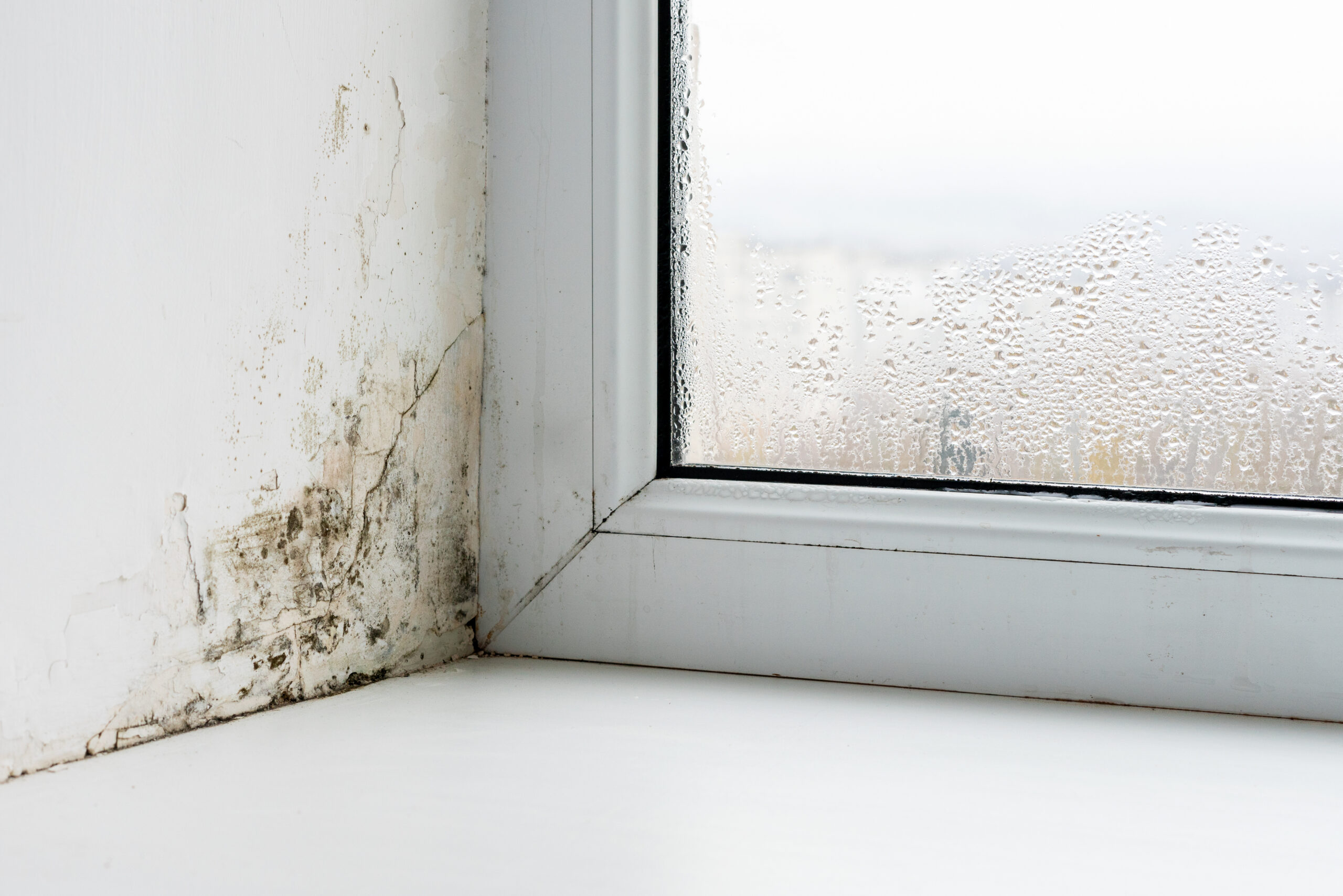
For tenants in New Jersey, toxic mold can turn a rental property into a health hazard. Dealing with moisture issues and the resulting mold growth can be frustrating and frightening, often leading to significant health and financial burdens. When a landlord neglects a known mold problem, tenants often wonder about their legal options. Continue reading to discover the legal grounds under New Jersey law that allow you to sue your landlord for toxic mold issues and seek compensation for your damages. Speak with a skilled Sussex County apartment accident lawyer today.
What is Toxic Mold?
“Toxic mold” is a term for mold species that can produce mycotoxins, which are harmful substances. While all molds can pose health risks to some degree, the ones that generate mycotoxins are often labeled “toxic.”
One of the most frequently discussed types is Stachybotrys chartarum, commonly known as black mold. Although this is one of the most common, it’s important to remember that many other mold species can also produce mycotoxins. Mold growth is caused by the presence of moisture. It thrives in damp environments caused by conditions such as plumbing leaks, flooding, and poor ventilation.
Why is Mold Harmful?
Exposure to toxic mold can significantly harm both the health and property of tenants. Mold exposure commonly triggers allergic reactions, leading to symptoms like persistent coughing, wheezing, irritated eyes, nasal congestion, and skin rashes. For individuals with existing respiratory conditions, such as asthma, mold can cause severe attacks and chronic lung irritation.
Besides the health impacts, mold growth causes substantial property damage. It deteriorates drywall, wood structures, carpets, and personal belongings like furniture and clothing, requiring expensive replacements. This creates an unlivable environment and a significant financial burden.
Can I Sue My Landlord for Toxic Mold Issues in NJ?
Yes, you may be able to sue your landlord for damages related to toxic mold, mainly based on the landlord’s failure to provide a habitable living space.
New Jersey law, specifically the implied warranty of habitability, requires landlords to maintain rental properties in a safe and sanitary condition and fit for human occupation. Since excessive mold growth, particularly toxic mold, can make a dwelling unsafe and unsanitary, a landlord’s failure to fix a known mold issue can constitute a breach of this duty of care.
Your ability to sue often relies on proving two points:
- Notice: The landlord was aware or reasonably should have been aware of the moisture or mold problem and failed to address it in a timely manner.
- Causation: The mold exposure directly caused your health issues or property damage.
Tenants can pursue legal action using legal concepts such as breach of the lease agreement, negligence, and constructive eviction if the mold makes the unit unlivable. You may be able to recover compensation for medical expenses, property damage, and relocation costs. Before suing, you should document the mold, notify the landlord in writing, and consult an experienced attorney.