A T-bone crash can change your life instantly. These devastating side-impact collisions often cause severe injuries. Learn the common causes of T-bone accidents in New Jersey and understand your right to pursue the full compensation you deserve. Reach out to an experienced Sussex County auto accident lawyer today for more information.
What is a T-Bone Accident?
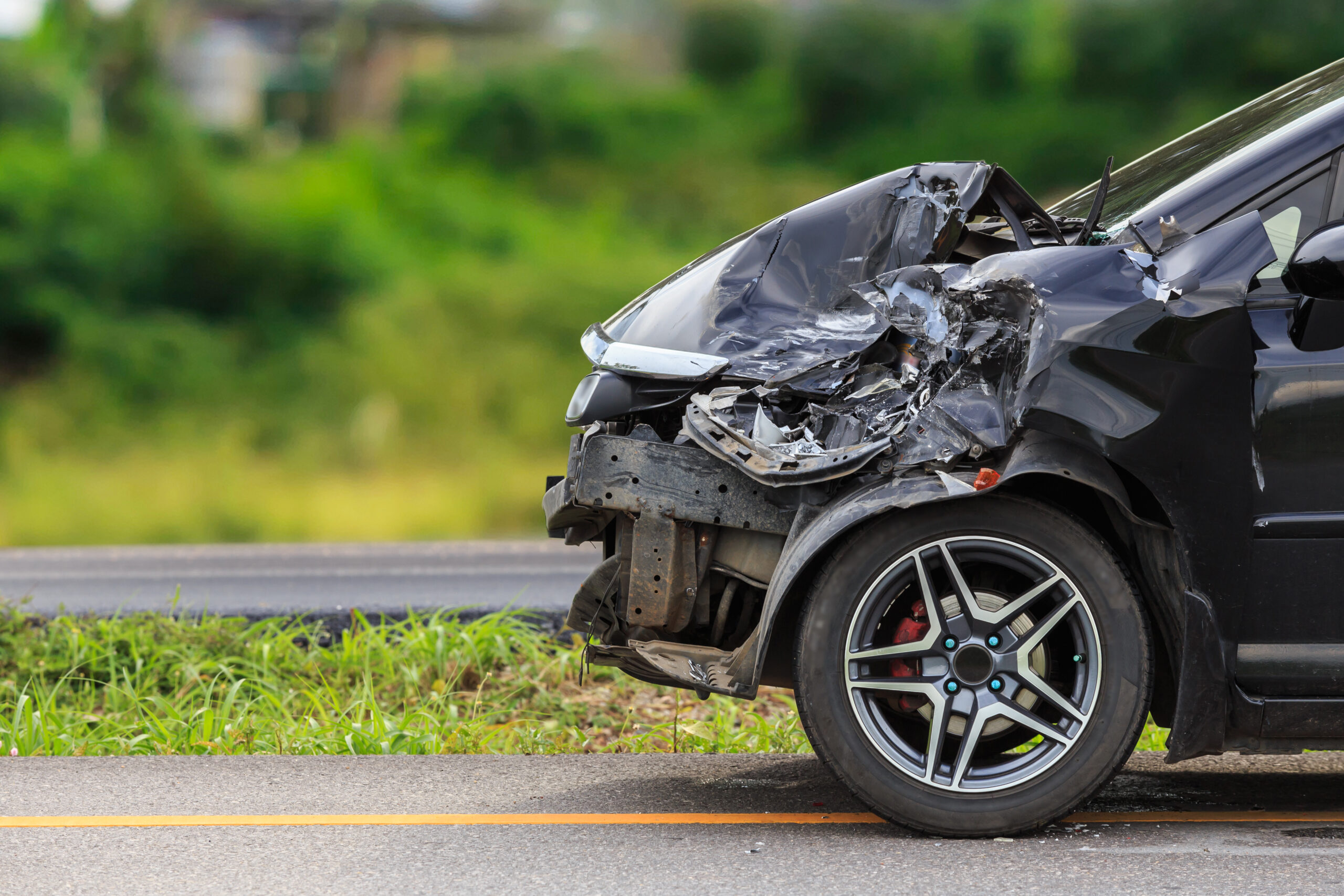
A T-bone accident occurs when the front of one vehicle strikes the side of another vehicle, forming a “T” shape at the point of impact. These collisions typically happen at intersections, in parking garages, or at points where driveways meet the road. Due to the limited protection on the sides of vehicles, T-bone accidents often result in severe injuries or fatalities for the occupants of the struck vehicle.
How Do T-Bone Accidents Commonly Occur in NJ?
T-bone accidents frequently occur in New Jersey, particularly in areas with high traffic density and complex intersections. These crashes are often initiated by a driver failing to yield the right-of-way or misjudging the flow of traffic. Since these accidents usually involve vehicles traveling perpendicular to each other, the force of impact can be substantial, especially for the occupants on the side of the vehicle that is struck.
The most common scenarios leading to T-bone collisions involve driver negligence, distraction, or recklessness. Understanding the common causes is crucial for preventing these devastating events and for determining liability after a crash. Common causes of T-bone accidents in New Jersey include:
- Running a red light or stop sign
- Failing to yield when turning left across opposing traffic
- Distracted driving, such as texting or talking on a cellphone
- Driving while intoxicated or impaired by drugs
- Speeding through an intersection
- Misjudging the distance or speed of an oncoming vehicle
- Making an illegal turn
- Ignoring traffic signs or signals
Additional contributing factors could include poor road design, adverse weather, lack of proper signage, and more.
Who Can Be Held Liable for a T-Bone Accident?
Determining liability in a T-bone accident is crucial for a personal injury claim. In many cases, the driver of the vehicle whose front end struck the side of the other vehicle is considered at fault. This is typically because the driver failed to obey a traffic signal or failed to yield the right-of-way, which are acts of negligence in these situations.
However, liability is not always limited to this driver. New Jersey follows a modified comparative negligence rule, meaning multiple parties could share fault. Alternative liable parties might include:
- The driver who was hit: If the driver who was struck contributed to the crash (for example, by speeding, driving distracted, or failing to use their turn signal), they may be partially at fault.
- Vehicle manufacturers: If a vehicle defect (e.g., faulty brakes or steering) caused the striking driver to lose control, the manufacturer could face a product liability claim.
- Government/municipalities: If poor road design, obscured traffic signs, or non-functioning traffic lights contributed to the accident, the agency responsible for maintaining the roadway might be held partially liable.
Providing ample evidence is necessary to accurately assign liability and pursue compensation for injuries.